MBBS in Indonesia
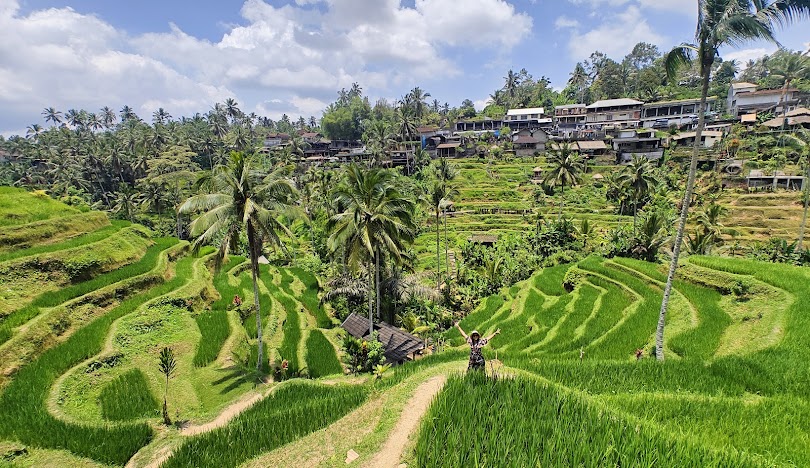
Indonesia
Indonesia, country located off the coast of mainland Southeast Asia in the Indian and Pacific oceans. The most populous country in Southeast Asia and the fourth most populous in the world, Indonesia is situated on an archipelago that lies across the Equator and spans a distance equivalent to one-eighth of Earth’s circumference. Its islands can be grouped into the Greater Sunda Islands of Sumatra (Sumatera), Java (Jawa), the southern extent of Borneo (Kalimantan), and Celebes (Sulawesi); the Lesser Sunda Islands (Nusa Tenggara) of Bali and a chain of islands that runs eastward through Timor; the Moluccas (Maluku) between Celebes and the island of New Guinea; and the western extent of New Guinea (generally known as Papua). The capital, Jakarta, is located near the northwestern coast of Java.
Indonesia was formerly known as the Dutch East Indies (or Netherlands East Indies). Although Indonesia did not become the country’s official name until the time of independence, the name was used as early as 1884 by a German geographer; it is thought to derive from the Greek indos, meaning “India,” and nesos, meaning “island.” After a period of occupation by the Japanese (1942–45) during World War II, Indonesia declared its independence from the Netherlands in 1945. Its struggle for independence, however, continued until 1949, when the Dutch officially recognized Indonesian sovereignty. It was not until the United Nations (UN) acknowledged the western segment of New Guinea as part of Indonesia in 1969 that the country took on its present form. The former Portuguese territory of East Timor (Timor-Leste) was incorporated into Indonesia in 1976. Following a UN-organized referendum in 1999, however, East Timor declared its independence and became fully sovereign in 2002.
The Indonesian archipelago represents one of the most unusual areas in the world: it encompasses a major juncture of Earth’s tectonic plates, spans two faunal realms, and has for millennia served as a nexus of the peoples and cultures of Oceania and mainland Asia. These factors have created a highly diverse environment and society that sometimes seem united only by susceptibility to seismic and volcanic activity, close proximity to the sea, and a moist, tropical climate. Nevertheless, a centralized government and a common language have provided Indonesia with some sense of unity. Furthermore, in keeping with its role as an economic and cultural crossroads, the country is active in numerous international trade and security organizations, such as ASEAN, OPEC, and the UN.
Key Features
- World’s largest archipelago: ~17,000 islands
- 4th most populous country in the world.
- One of the largest economies in Southeast Asia.
- One of the megadiverse countries.
- Located between Indian & Pacific Oceans.
Admission Process
1
Check Eligibility
Completed 10+2 / Higher Secondary (or equivalent) with mandatory subjects Biology, Physics, and Chemistry; minimum required marks usually 50%–60% (varies by country/college); age requirement commonly 17+ years.
2
Entrance Examination
Register and appear for the required medical entrance exam (e.g., NEET, MCAT, UCAT, etc.), as exam score determines eligibility for medical college admission.
3
Application to Colleges
Fill out online application forms for medical colleges/universities and upload required documents such as mark sheets, photos, ID proof, and entrance exam scores.
4
Counseling / Selection
Participate in counseling or selection rounds based on entrance exam rank, choosing preferred colleges and securing a seat if allotted.
5
Document Verification
Submit original educational certificates, entrance exam results, identity proof, and other required documents for verification by the institution.
6
Fee Payment & Confirmation
Pay the admission or enrollment fee to confirm your seat and receive the official admission letter from the college.
7
Student Visa
Apply for a student visa using the admission letter, financial proof, passport, and medical reports if studying in another country.
Top Medical Universities in Indonesia
Quick Enquiry
Contact Info
FLY MEDICO EDUCATION India Pvt Ltd. 1st floor PKPS Building,Hemaraddi mallamma Nagar, Korti RC .Bilagi Tq.Bilagi ,Dist :- Bagalkote
info@flymedicombbs.com
+91 9148386563, +91 89514 06865
Explore MBBS in Other Countries
Compare top destinations for international medical education
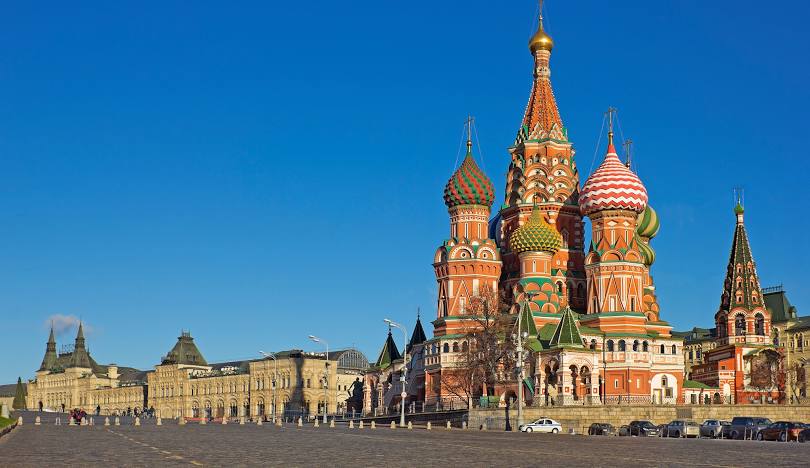
- OFFICIAL NAME: Russian Federation.
- CAPITAL: Moscow.
- MONEY: Ruble.
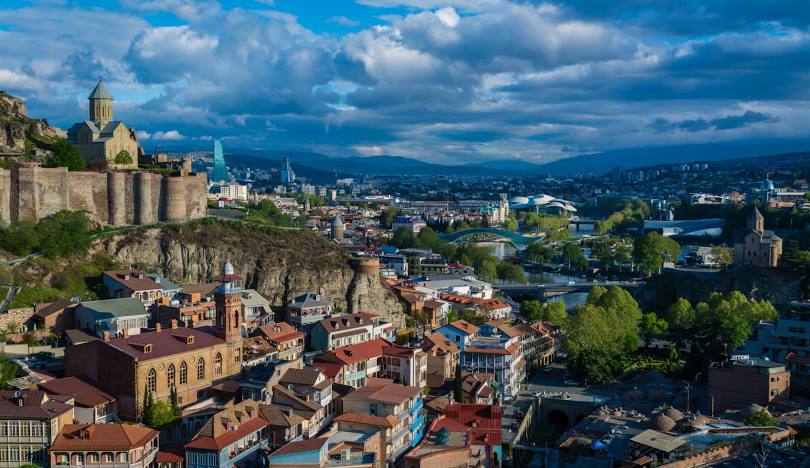
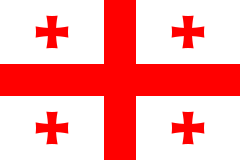
- Also Known As: Peach State
- Capital: Atlanta
- Population:11,180,878
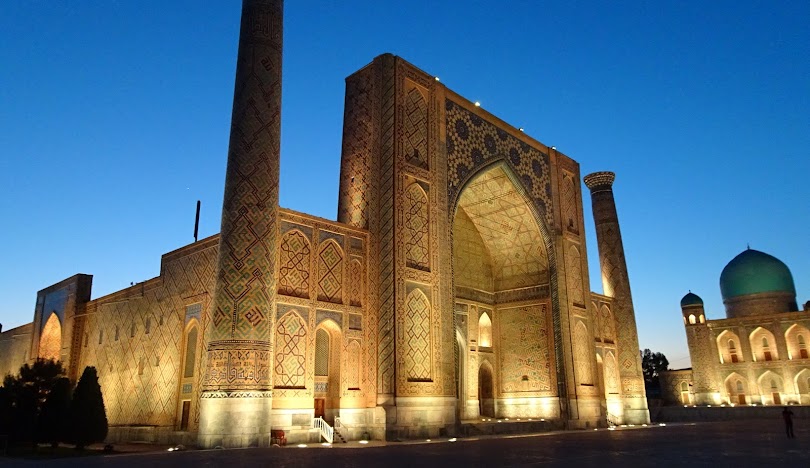
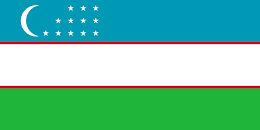
- Capital: Tashkent.
- Area: 448,978 sq km.
- Population: 37.1 million.
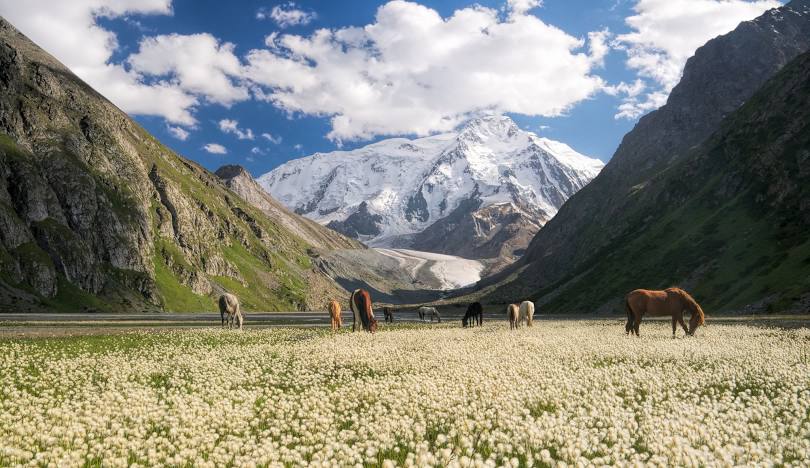
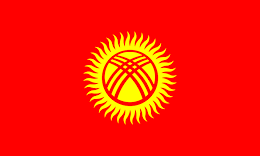
- Formal name: The Kyrgyz Republic.
- Land Boundaries: 4,573 km.
- Population: Approximately 6 million.
What Our Students Say
Hear from medical students who achieved their dreams through Fly Medico Education's guidance.

Anita Sharma
"Fly Medico Education made my dream of studying medicine abroad a reality..."

Rajesh Patel
"Fly Medico Education made my dream of studying medicine abroad a reality..."

Vipas
"Fly Medico Education made my dream of studying medicine abroad a reality..."

Mr. & Mrs. Kapoor
"Fly Medico Education made my dream of studying medicine abroad a reality..."

Sunita Reddy
"Fly Medico Education made my dream of studying medicine abroad a reality..."
Vikram Singh
"Fly Medico Education made my dream of studying medicine abroad a reality..."
Meena Iyer
"Fly Medico Education made my dream of studying medicine abroad a reality..."
Arjun Malhotra
"Fly Medico Education made my dream of studying medicine abroad a reality..."

test 7
"Fly Medico Education made my dream of studying medicine abroad a reality..."
Frequently Asked Questions
Get answers to common queries about MBBS in Kazakhstan
Yes, degrees from MCI-approved medical universities in Kazakhstan are valid in India. After completing MBBS, Indian students need to clear the FMGE (Foreign Medical Graduates Examination) conducted by NBE to practice in India.
The MBBS program in Kazakhstan typically lasts for 5 years (including internship for some universities), which is shorter than the 5.5-6 year programs in many other countries.
Yes, since 2018, NEET qualification is mandatory for Indian students to pursue MBBS abroad, including Kazakhstan. You need to qualify NEET to be eligible for admission.
Kazakhstan has extreme continental climate with hot summers (up to 30°C) and very cold winters (as low as -20°C). However, universities and hostels are well-equipped with heating systems, and students adapt quickly.
Yes, most university cities have Indian restaurants and grocery stores where you can find Indian spices and ingredients. Many students also cook their own food in hostel kitchens.
Fly Medico MBBS
Your trusted partner in aviation medical services. We provide comprehensive support for pilots and aviation professionals to maintain their medical certifications.
Quick Links
Our Services
Contact Us
FLY MEDICO EDUCATION India Pvt Ltd. 1st floor PKPS Building,Hemaraddi mallamma Nagar, Korti RC .Bilagi Tq.Bilagi ,Dist :- Bagalkote
info@flymedicombbs.com
+91 9148386563, +91 89514 06865
Mon-Fri: 9AM - 5PM